Essential Dog Training Techniques Every Owner Should Know
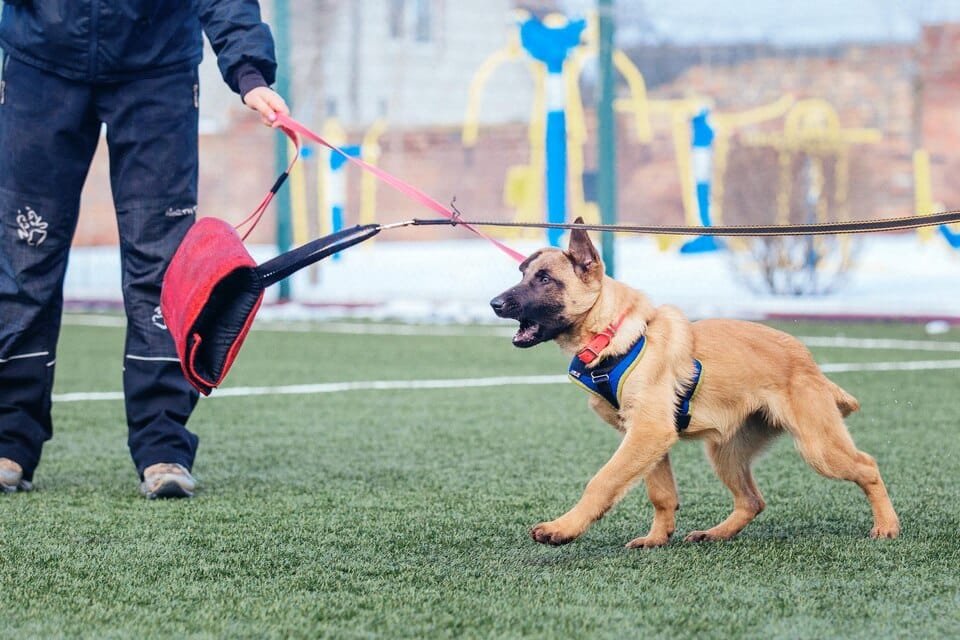
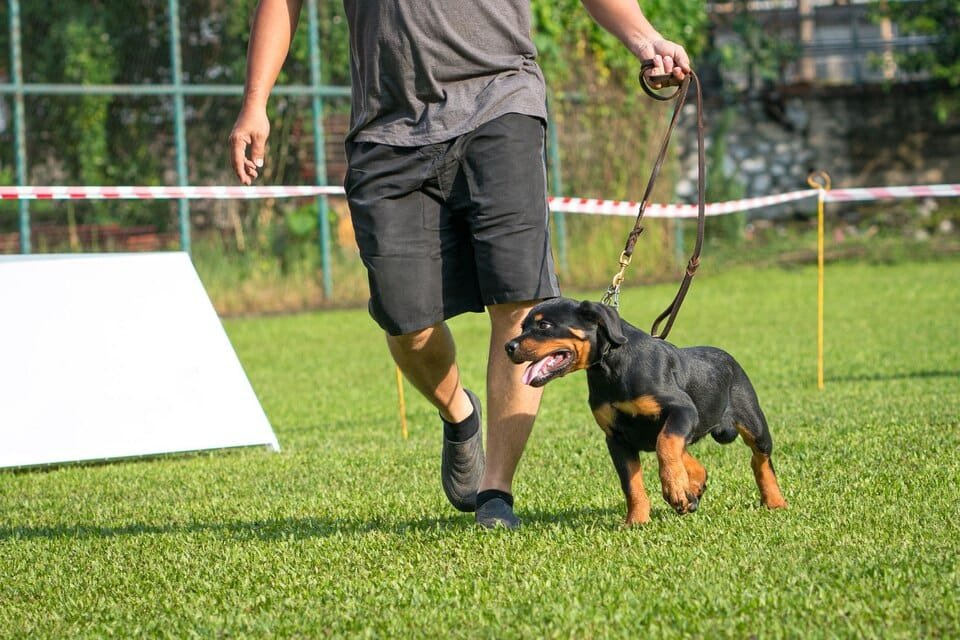
Understanding fundamental dog training techniques is crucial for every dog owner. Basic commands such as sit, stay, and come form the foundation of a well-behaved pet. These commands not only ensure safety but also enhance communication between you and your dog.
Incorporating positive reinforcement techniques, such as treats and praise, can significantly improve your dog's learning experience. Consistent practice of these commands in various environments will help your dog generalize their training, making them reliable companions both at home and in public spaces.
Common Behavioral Issues and How to Address Them
Many dog owners encounter behavioral issues that can be frustrating and challenging to manage. Common problems include excessive barking, chewing, and separation anxiety. Recognizing these behaviors early and understanding their root causes is essential for effective intervention.
For instance, if your dog barks excessively, it may be a sign of boredom or lack of socialization. Implementing structured training sessions, providing mental stimulation through toys, and gradually exposing your dog to new experiences can help mitigate these issues and promote a calmer demeanor.
Benefits of Professional Dog Training Services
Engaging with professional dog training services can provide numerous benefits for both dogs and their owners. Professional trainers bring expertise and tailored training methods that can address specific behavioral issues and enhance your dog's skills effectively.
Additionally, professional training often includes socialization opportunities with other dogs, which is vital for developing good behavior in various settings. Investing in professional training can lead to a more harmonious relationship between you and your pet, ultimately resulting in a happier, well-adjusted dog.
How to Choose the Right Dog Trainer for Your Needs
Selecting the right dog trainer is a significant step in ensuring effective training for your pet. Consider factors such as the trainer's qualifications, experience, and training philosophy. It's essential to find a trainer whose methods align with your values and your dog's needs.
Additionally, seeking recommendations from fellow dog owners or reading online reviews can provide insights into the trainer's success. Scheduling a consultation can also help you gauge their approach and establish a rapport, ensuring a positive training experience for both you and your dog.